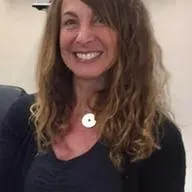
Using Theatre to Confront Climate Change and gender-Based Violence in Northern Kenya
November 20, 2025 | Nicole Frawley-PanyardWhen Resident Dramaturg and Lecturer in Theatre Studies, Karin Waidley, returned to northern Kenya this past September, she was building on years of collaboration with community members, advocates, and fellow artists dedicated to using performance as a tool for empowerment. This time, with support from the Initiative for Democracy and Civic Empowerment and African Heritage and Humanities Initiative, her focus was on a challenge increasingly affecting daily life across the region: the intersection of climate change and gender-based violence, particularly in women’s experiences.
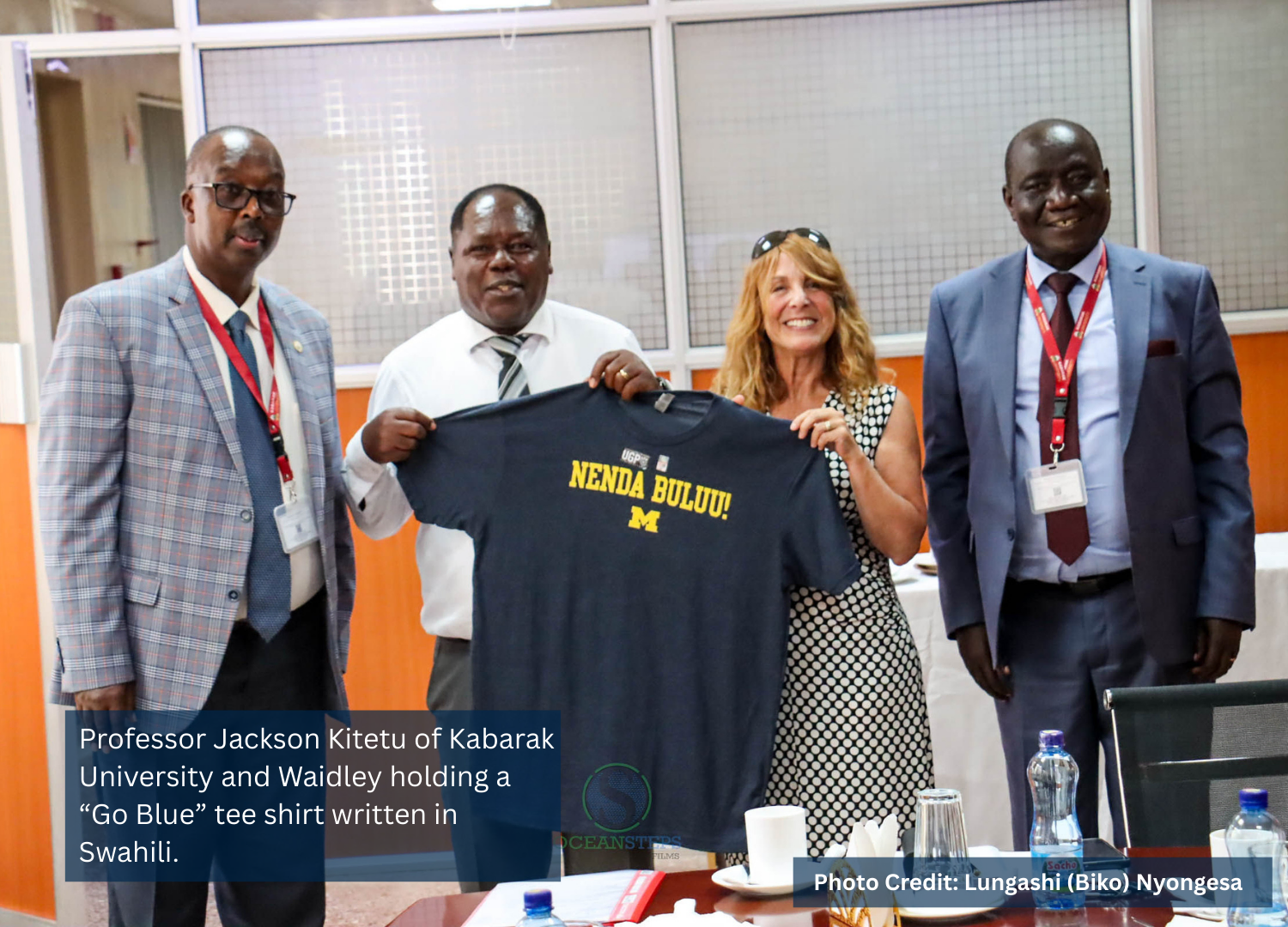
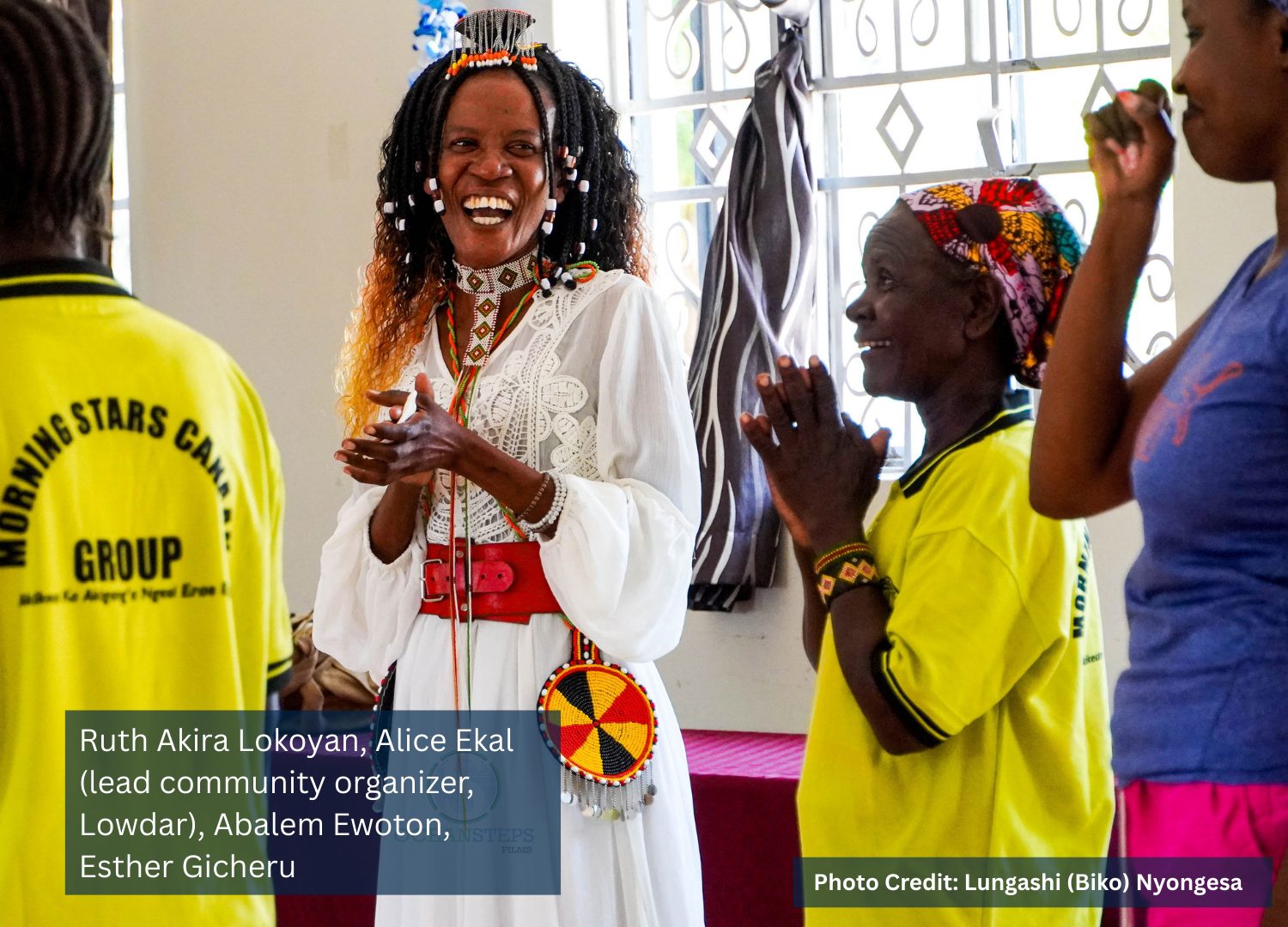
Waidley worked alongside a Kenyan team of artists and advocates, as well as an environmental science researcher, to run a workshop in the Lake Turkana region of northern Kenya. The project brought together primarily women’s collectives, though participants also included men and young people. Together, they informally explored building bridges for future, more sustainable engagements.
The work is grounded in Theater for Development, a form of community-based performance widely practiced across Sub-Saharan Africa. Rather than beginning with scripts or staged productions, theater becomes a shared space for participants to express lived realities, ask questions collectively, and imagine alternatives. “Beginning with consent-based practices like games, storytelling, music, and embodied exploration to build trust,” Waidley explains, “we then gradually introduce content about daily challenges; food scarcity, water collection, access to fuel, and how the instability of these necessities influences women’s vulnerability and power.”
Participants created scenes that reflected everyday moments: waiting for water, negotiating access to resources within families, or navigating tensions when drought pushes food and fuel prices higher. These vignettes helped translate environmental data introduced during a pre-trip seminar led by an environmental scientist into human-scale impacts that could be felt, rather than just discussed.
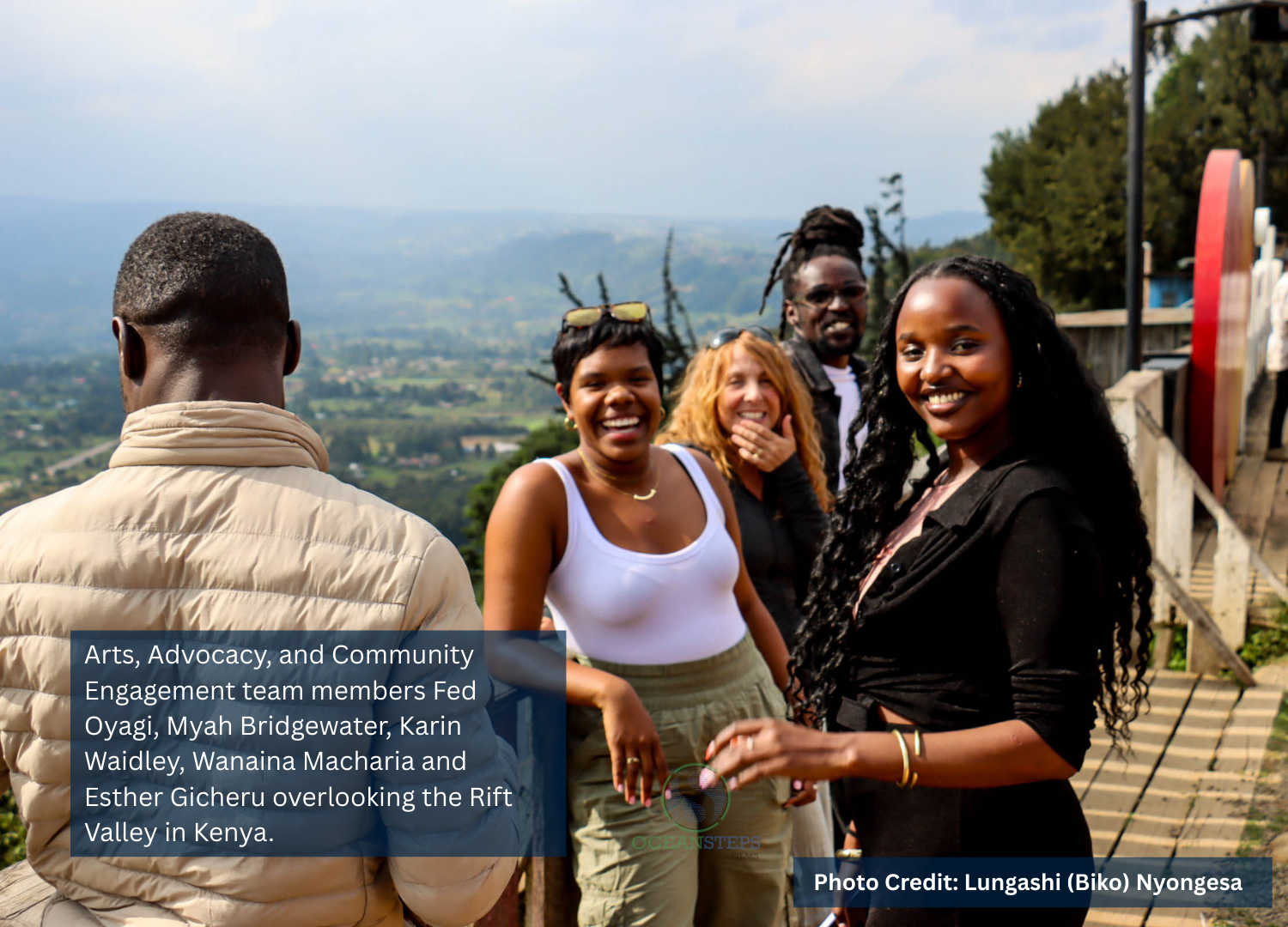
Accompanying Waidley on the project was recent UM student Myah Bridgewater, who had previously studied community-based performance in Cape Town. In Kenya, she worked as a teaching artist and researcher, documenting the process through video and photography. “The group really embraced her,” Waidley said. “It became a life-changing experience for her, not just academically but personally.”
Myah described the experience as profoundly transformative for everyone involved. “Each day we opened with theatre games, singing, and dancing. It reminded me how powerfully theatre allows people to share experiences that might otherwise stay unspoken,” she reflected. “By placing participants at the center of the process, we avoided the hierarchies that can emerge in this kind of work. We left our assumptions at the door and learned far more from the women than we could ever have taught them.”
Momentum, Community Roots, and the Challenge of Sustainability
While the workshop generated deep reflection and collective expression, sustaining that work in the long term remains the biggest challenge. “We made strong inroads, especially with local organizers and informal leaders who are trusted in their communities,” Waidley said. “But true sustainability requires time. We were only able to stay for just over a week.”
To that end, the team implements a training model that involves local leaders and organizations empowering the community to continue the work on their own. The Lodwar group has plans to hold a similar event in a more rural location, sharing lessons learned from their own workshop.
Waidley’s team hopes to return, not only to Lodwar in the Lake Turkana region, but also to communities they’ve previously worked with in Maasai Land (Ensonorua) and in Meru near Mount Kenya. Ideally, future visits would include multi-day workshops culminating in public-facing community gatherings or town hall-style performances, where the artwork and dialogue generated could spark broader civic engagement.
“We need a more stable funding model,” Waidley notes. “Something that supports returning to these communities consistently. Not just one grant at a time.”
Myah echoed the importance of that long-term investment. “Too often, organizations come in briefly and leave before participants have the tools to continue the work on their own. We tried to offer pathways for the women to transfer what they learned into the wider community, but real sustainability requires ongoing partnership and funding.”
A Longstanding Commitment to Theater as Social Change
Though Waidley’s current faculty role at the University of Michigan sits adjacent to her applied theater work, her background in performance as a tool for social change is extensive. Her dissertation focused on using theater to prevent youth violence, and in 2017–2018, she served as a Fulbright Scholar in Kenya, where she taught theater and social justice. She later returned as a Fulbright Specialist and co-led a two-year U.S. Embassy-funded project addressing the prevention of gender-based violence through performance.
The current climate-focused work builds on these efforts, expanding the lens to root causes and structural conditions. “Climate change isn’t just an environmental crisis,” she emphasizes. “It’s a social crisis. It affects who is safe, who has power, and how communities survive.”
And in Kenya, as in many places, theater remains one of the most powerful tools for communities to think, feel, and act together.